- Mon - Sat : 8 A.M to 7 P.M / Sunday : 10 A.M to 4 P.M
- Nationwide


Whether you’re in a care home for respite or as a permanent resident, our specialist physiotherapists provide the intervention needed to help you achieve the best possible outcome from your surgery.
Whether you’re in a care home for respite or as a permanent resident, our specialist physiotherapists provide the intervention needed to help you achieve the best possible outcome from your surgery.
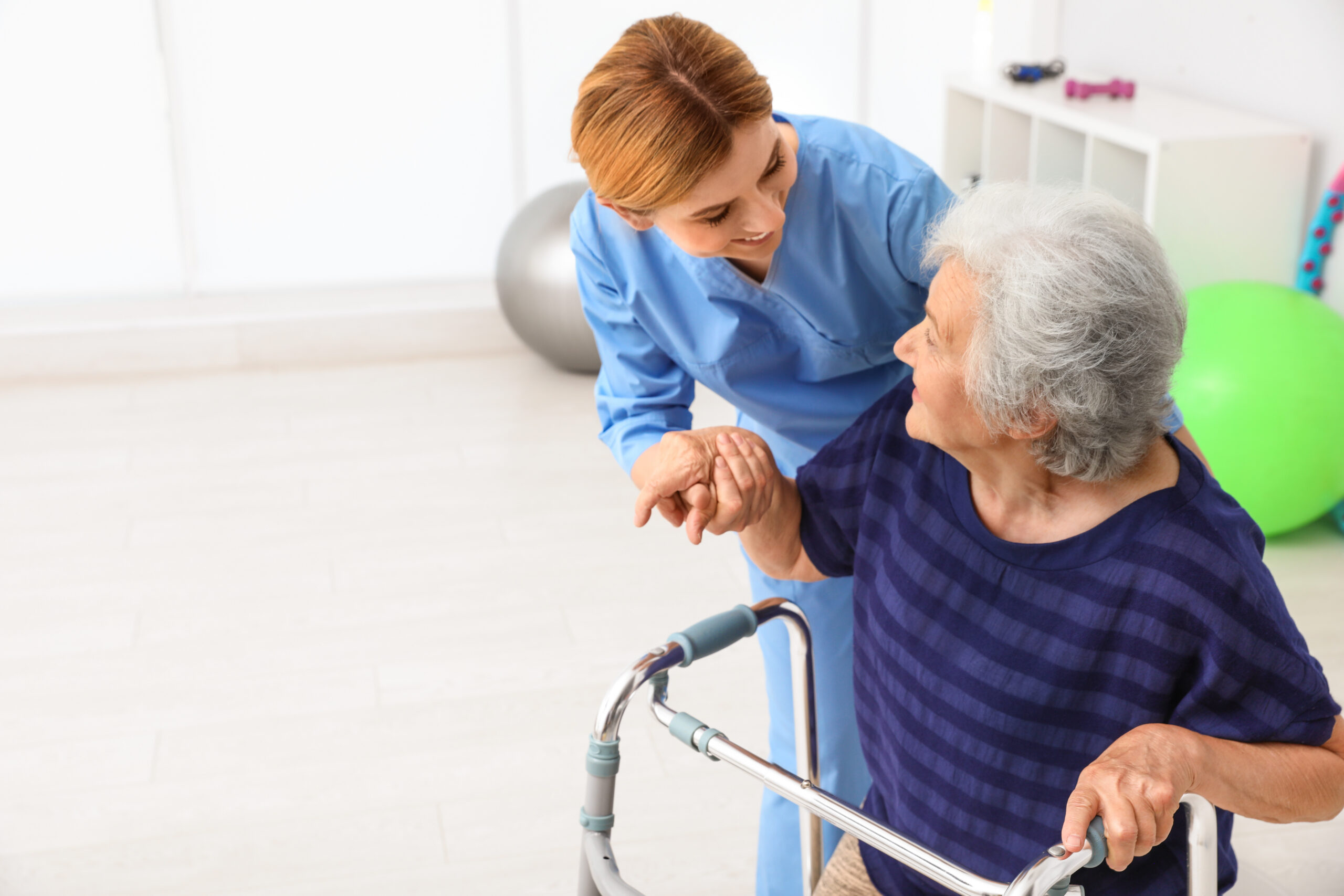
Recovering from joint replacement or fracture surgery requires timely, structured rehabilitation to rebuild strength, flexibility and functional abilities. Starting physiotherapy early can help minimise stiffness, pain, muscle weakness, and other post-operative complications, promoting a quick recovery. Our physiotherapists work closely with each individual to deliver a personalised rehabilitation plan tailored to the type of surgery, stage of recovery, physical abilities, and personal goals. Any precautions or protocols advised by the surgical team are carefully incorporated into the programme to ensure continuity of care and safe recovery. As rehabilitation progresses, the programme is regularly reviewed and adapted to reflect an individual’s changing needs and new goals. Treatment typically progresses from early mobilisation and pain management strategies to strength training, increasing joint range of motion, balance retraining, mobility progression, and functional rehabilitation. Through targeted physiotherapy and goal-oriented exercises, we support residents in returning to their daily activities as safely and independently as possible. For respite residents, our goal is to support a safe and confident return home.
This list is not exhaustive — if you have a query about a specific surgery or procedure not listed here, please get in touch with our team.
We review the resident's surgical notes, discharge summary and any post-operative precautions or protocols provided by the surgical team before our first visit.
Our specialist physiotherapists conduct a comprehensive assessment of pain, range of motion, muscle strength, mobility (including any walking aids or assistive equipment used), balance, and functional ability. This establishes a clear baseline, identifies any limitations or risks, and helps set personalised rehabilitation goals to guide recovery.
Following a thorough assessment, we develop an individualised rehabilitation programme tailored to the type of surgery, stage of recovery, current abilities, and personal goals. The plan is designed to promote safe, progressive improvement, restore mobility and function, and follow any relevant post-operative protocols or precautions to optimise recovery.
A well-structured and intensive rehabilitation programme is delivered by our physiotherapists and rehabilitation assistants. Therapy sessions are hands-on, goal-focused, and tailored to the individual's stage of recovery, with an emphasis on restoring movement, rebuilding strength, improving mobility, and achieving the best possible outcome from surgery.
Progress is closely tracked throughout the rehabilitation journey, with regular reviews to monitor recovery and ensure the programme remains effective. As strength, mobility, and function improve, exercises and treatment plans are adjusted to safely increase their intensity and complexity, helping residents continue to make meaningful progress towards their goals.
We work closely with residents, whether they are on a permanent or respite admission, as well as their families and the care team, to plan the next stage of recovery. This may involve supporting a safe return home or transitioning to an ongoing maintenance programme to preserve mobility and function.
We aim to begin rehabilitation as early as possible, in line with any protocols specific to your surgery type.
Yes. Our Physiotherapists adapt their approach and communication for individuals with dementia or cognitive impairment, to get positive engagement in the rehabilitation process.
The frequency of visits depends on an individual's needs and stage of recovery. We typically recommend intensive therapy input, which can range from daily to alternate-day sessions. These can be supported by rehabilitation assistants depending on the Physiotherapist's recommendations.
Yes. Our rehabilitation programmes are available to residents on both a respite and permanent basis.
Yes, we offer discounts on block bookings of five or ten sessions. Please check with us for details.
Fill in our enquiry form

Speak to our team about how we can support post-operative rehabilitation in your care home